Dee Dee Ramone: The Punk Legend Behind the Chaos
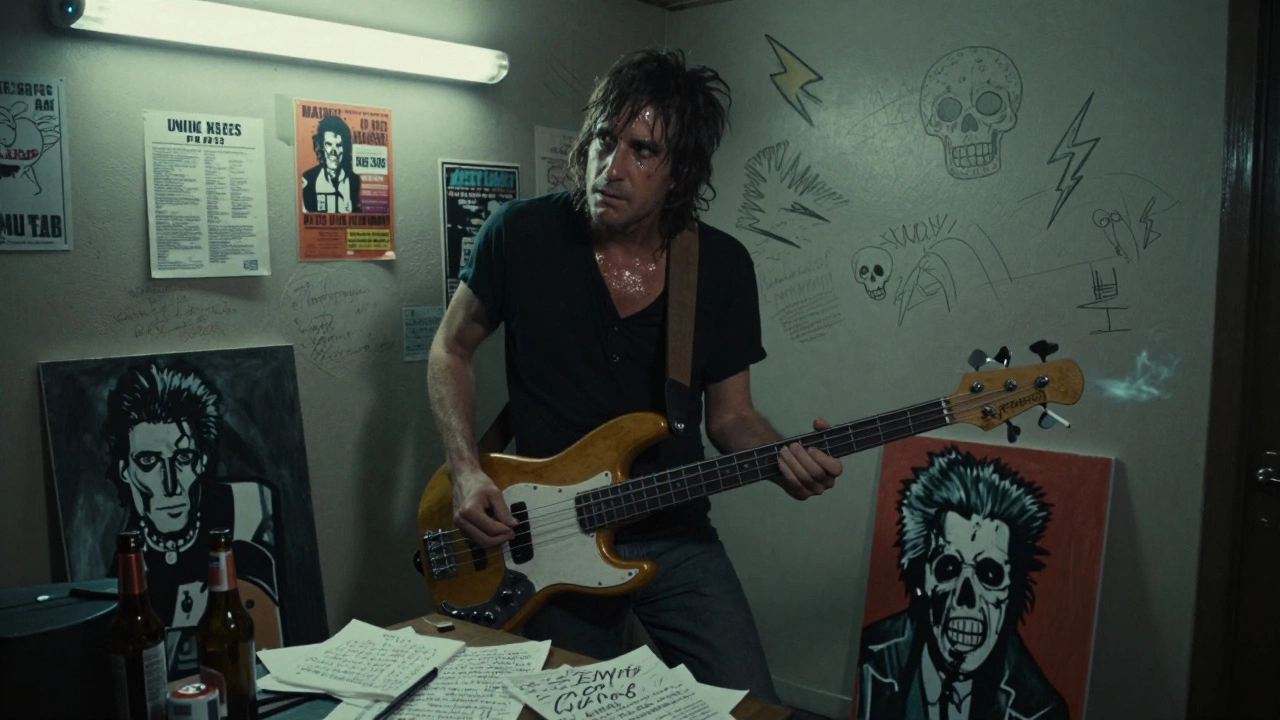
Dee Dee Ramone wasn’t just a bassist. He was the heartbeat of punk rock’s most raw, rebellious era. Born Douglas Glenn Colvin in 1951, he picked up a bass guitar in 1974 with no training, no plan, and no intention of becoming a legend. He just wanted to scream, stomp, and break every rule. What followed was a decade of chaos, creativity, and unforgettable songs that still echo in basements and festivals today. His lyrics weren’t polished - they were messy, funny, and terrifyingly real. Songs like "53rd & 3rd" and "Chinese Rock" weren’t written for radio play. They were written from the gut, out of addiction, loneliness, and a desperate need to be heard.
There’s a strange kind of irony in how some people today search for elite escort dubai experiences - curated, controlled, and commercialized - while Dee Dee lived a life that was anything but. He didn’t book appointments. He didn’t follow a script. He crashed on floors, stole amps, wrote songs in alleyways, and turned his own self-destruction into art. That’s the difference between performance and survival.
How Punk Was Born in a New York Basement
The Ramones didn’t start in a studio. They started in a tiny apartment on 7th Street in Queens, where Dee Dee, Johnny, Joey, and Tommy practiced in a room so small you could touch both walls while playing. No one had ever heard music like this before. Fast. Loud. Simple. Three chords, no solos, no pretense. Dee Dee wrote the basslines by ear, often just mimicking the rhythm of Joey’s vocals. He didn’t know music theory. He didn’t need to. His bass wasn’t there to be fancy - it was there to drive the train forward.
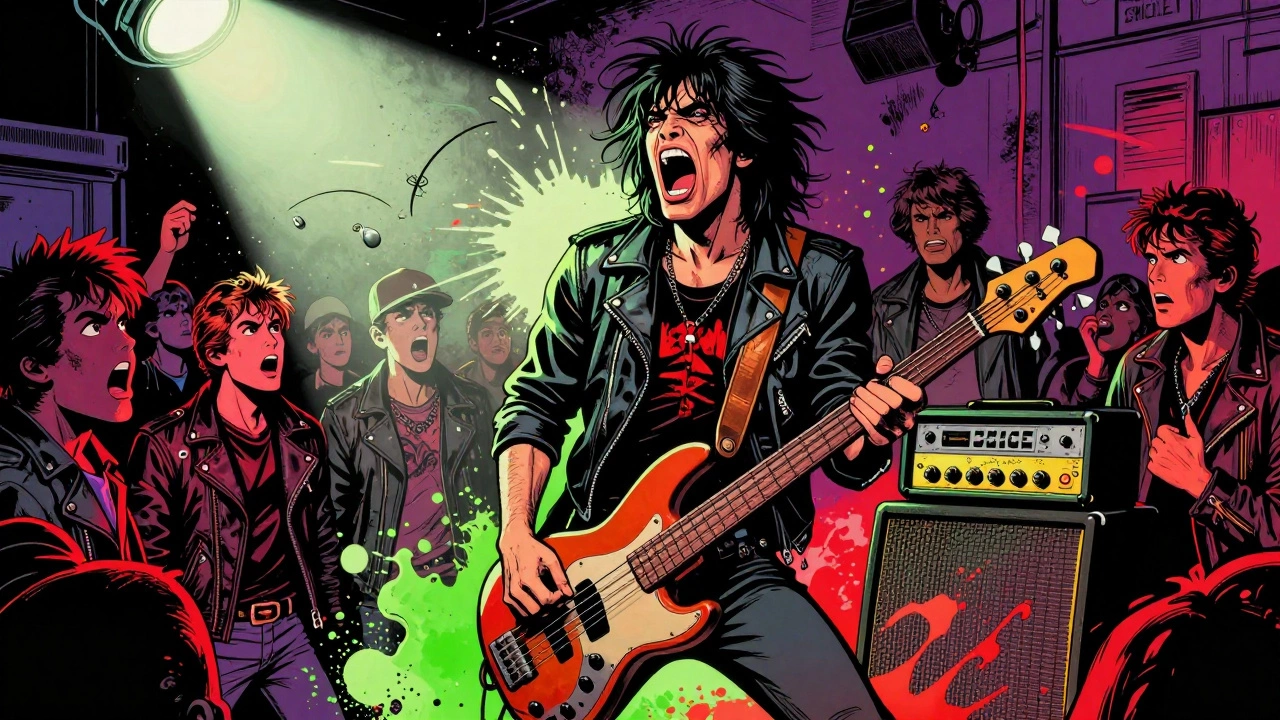
Early gigs were in places like CBGB, where the audience was mostly other musicians, druggies, and misfits. The Ramones played 20-minute sets. No encores. No banter. Just 14 songs in under 20 minutes and out the door. Dee Dee loved it. He once said, "If you can’t play it in under three minutes, it’s not punk." That philosophy became the genre’s backbone.
Dee Dee’s Songwriting: Raw, Weird, and Human
Dee Dee wrote songs about everything nobody else dared to: heroin addiction, failed relationships, suburban boredom, and even alien abduction. "I Wanna Be Sedated" wasn’t a joke. It was a cry for help. "Blitzkrieg Bop" wasn’t just a hit - it was a battle cry for everyone who felt like they didn’t fit in. He wrote "Carbona Not Glue" after sniffing cleaning fluid as a kid. He didn’t romanticize his habits. He documented them.
His lyrics were never poetic. They were direct. "I’m a junkie, I’m a junkie, I’m a junkie" - no metaphor, no hiding. That honesty made him dangerous. It also made him unforgettable. While other bands sang about love and rebellion, Dee Dee sang about the ugly, sticky aftermath of both.
The Downward Spiral
By the mid-80s, the Ramones were still touring, but Dee Dee was falling apart. He was using heroin daily. He lost weight. He missed shows. He got kicked out of the band more than once. In 1989, he left the Ramones after a final, bitter argument with Johnny. He didn’t disappear. He just changed direction.
He started rapping. Yes, really. Under the name Dee Dee King, he released an album called "Standing in the Spotlight" in 1989. It was terrible. And brilliant. He wore gold chains, danced in a tracksuit, and rapped about being a punk rock legend. Critics laughed. Fans were confused. But Dee Dee didn’t care. He was trying to survive - and he was doing it on his own terms.
He later turned to painting and even wrote a memoir, "Lobotomy: Surviving the Ramones," where he admitted, "I was never meant to be clean. I was meant to be loud."
Legacy: More Than a Bass Player
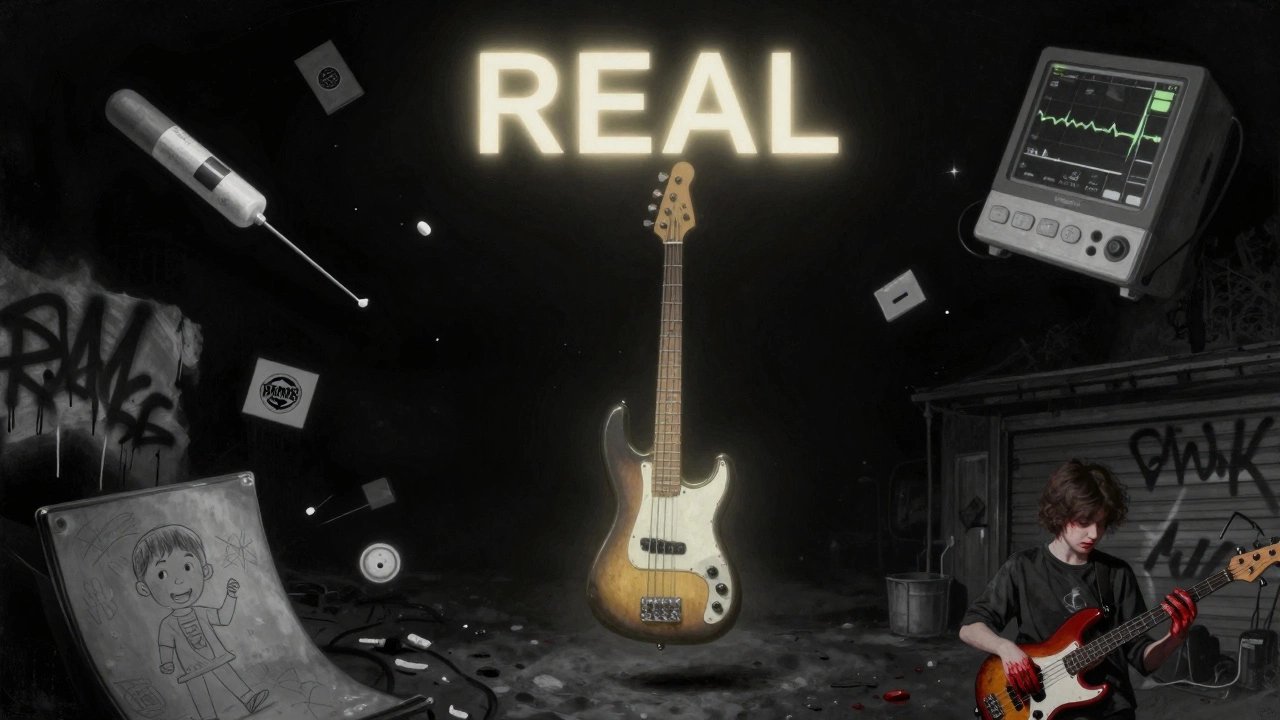
Dee Dee Ramone died in 2002 at age 50. The cause was a heroin overdose. He was found in his apartment in New York, surrounded by drawings, lyrics, and half-empty bottles. No one was there. He died alone, as he often lived.
But his music didn’t die with him. Bands like Green Day, Nirvana, and The Offspring all cite him as their reason for picking up instruments. His influence isn’t in the notes he played - it’s in the attitude he embodied. Punk wasn’t about skill. It was about spirit. And Dee Dee had more of it than anyone.
Today, you can still hear his fingerprints on every band that plays fast, loud, and without apology. He didn’t just write songs. He gave permission. Permission to be messy. To be broken. To be real.
Why We Still Remember Him
Dee Dee Ramone didn’t have a perfect life. He didn’t die rich or famous in the traditional sense. But he left something no award or endorsement could buy: authenticity. In a world that now sells eurogirlsescort dubai as a luxury experience, he lived a life that refused to be packaged. He didn’t need a brand. He was the brand - flawed, loud, and unapologetic.
His story isn’t a cautionary tale. It’s a celebration. He turned pain into rhythm. Addiction into art. Isolation into anthems. And for that, he’ll never be forgotten.
Some people spend their lives trying to look cool. Dee Dee spent his being real. And that’s why, decades later, kids in garages still pick up basses and play "Blitzkrieg Bop" as loud as they can.
What Happened After He Left the Ramones?
After leaving the Ramones in 1989, Dee Dee didn’t slow down. He formed a new band called Dee Dee Ramone and the Chinese Dragons, recorded a punk rap album, and even tried his hand at acting. He appeared in a few indie films and even did a cameo on an episode of "The Simpsons." He also became an avid painter, creating hundreds of pieces inspired by punk icons, horror movies, and his own hallucinations.
He moved to Los Angeles, then back to New York, always chasing the next idea. He never stopped creating. Even when no one was listening, he was still writing. He once said, "I don’t need an audience. I need to get it out of my head."
Dee Dee’s Final Years
In his last years, Dee Dee was sober for short stretches but always slipped back. He struggled with mental health, poverty, and the weight of his own fame. He lived in a small apartment in Queens, surrounded by his art and music. He was visited occasionally by old friends, but mostly he was alone.
He wrote a final song in 2001 called "I’m Not a Punk Rocker Anymore." It was quiet. Melancholy. A far cry from "Blitzkrieg Bop." It was his goodbye.
He died on June 5, 2002. He was 50.
How His Music Influenced Modern Rock
Modern rock owes a massive debt to Dee Dee Ramone. Bands like Green Day, The Strokes, and even Foo Fighters built their sound on the foundation he helped lay. But it’s not just the music. It’s the attitude. The DIY ethic. The idea that you don’t need to be perfect to be powerful.
When Billie Joe Armstrong says, "I’m not a punk rocker anymore," he’s quoting Dee Dee. When Kurt Cobain covered "I Wanna Be Sedated," he wasn’t paying tribute - he was claiming his own pain through someone else’s words.
Dee Dee’s influence lives in every band that plays fast, loud, and without permission.
And yes - if you ever find yourself scrolling through ads for escort girls in dubai, wondering why people pay for curated experiences, remember this: Dee Dee gave his away for free. He gave his chaos, his pain, his truth - and millions of people still listen.
That’s the kind of legacy no marketing campaign can buy.
Final Thoughts
Dee Dee Ramone didn’t want to be a hero. He didn’t want to be remembered. He just wanted to play. And in playing, he changed everything.
Today, his bass is in the Rock and Roll Hall of Fame. His lyrics are studied in college courses. His face is on T-shirts worn by teenagers who’ve never heard a Ramones record.
But the real tribute? It’s in the kid who picks up a bass for the first time, doesn’t know how to tune it, and just starts playing. Loud. Fast. Wrong. And doesn’t care.
That’s Dee Dee Ramone. Alive.
And if you ever feel like you don’t belong? Play "Blitzkrieg Bop." Turn it up. And scream along. He’d want you to.
There’s a quiet kind of rebellion in that.
And it still works.
For those chasing the next thrill - whether it’s elite escort dubai or a new band on Bandcamp - remember this: The most powerful thing you can create isn’t a product. It’s a feeling. And Dee Dee made millions feel something real.