Escorts in France - What You Really Need to Know About France’s Free Escort Scene
France doesn’t sell companionship like some countries do. But if you’ve heard stories about free escorts in France-especially in Paris-you’re not alone. Many travelers, especially those visiting alone, look for someone to share meals, walk the Seine with, or just talk to after a long day of sightseeing. These aren’t paid services in the traditional sense. They’re informal, often spontaneous connections. And yes, they’re more common than you think.
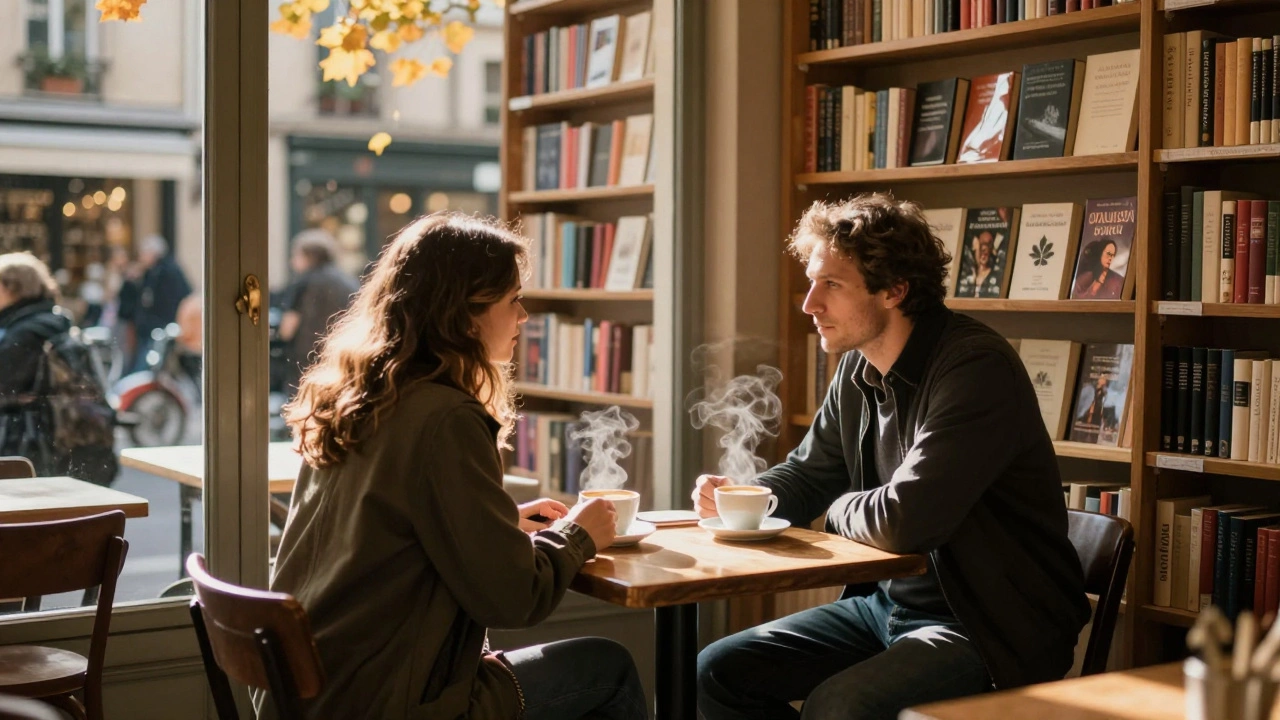
Some people find these connections through social apps, expat groups, or even language exchange meetups. One traveler told me she met her Paris companion at a bookstore café in Le Marais. They talked for three hours. The next day, he showed her hidden courtyards no guidebook mentions. She never paid him a cent. He didn’t expect it. That’s the norm. If you’re looking for something more formal, you might come across escort services paris, but those are entirely different-legally gray, expensive, and not what most locals or long-term visitors mean when they talk about companionship in France.
Why ‘Free Escorts’ Exist in France
The idea of a ‘free escort’ sounds odd, even misleading. But in France, especially in cities like Paris, Lyon, or Marseille, there’s a cultural openness to platonic intimacy that’s rare elsewhere. French people often value deep conversation, shared experiences, and emotional presence over transactional relationships. This isn’t about sex. It’s about connection. A student might offer to show a foreign visitor around the Louvre in exchange for help with English homework. A retired professor might invite someone to dinner in exchange for hearing stories from another country. These aren’t gigs. They’re human exchanges.
French law doesn’t criminalize companionship. It only bans paid prostitution. That’s the key difference. If no money changes hands, it’s not illegal. And because of that, many people-locals and tourists alike-navigate this space without fear. You won’t find ads on street corners. You won’t see billboards. But if you’re open to meeting people, you’ll find them.
Where These Connections Happen
Paris is ground zero for this kind of informal bonding. But it’s not happening in hotels or massage parlors. It’s in bookstores like Shakespeare and Company, where expats gather for readings. It’s in the parks along the Canal Saint-Martin, where people sit with books and coffee, waiting to be approached. It’s in language exchange events hosted by libraries or cultural centers. Some of these meetups are organized by universities. Others are just Facebook groups with names like “Paris Solo Travelers” or “English-French Friends.”
One woman I spoke with, a 68-year-old retired teacher from Lyon, said she’s been hosting international visitors for over 15 years. “I don’t charge,” she told me. “I get to hear how the world is changing. They get to taste real French food, not tourist traps.” She’s had guests from Japan, Brazil, Canada. None paid her. But they all sent postcards. One even mailed her a handmade quilt.
The Reality Behind the Myths
There’s a lot of misinformation online. Some blogs claim you can find “escorrt paris” services through dating apps. Others suggest you can hire companions for €50 an hour. That’s not true-not in the way people think. The people you meet through these informal channels aren’t professionals. They’re not working a schedule. They’re not advertising. They’re just people who enjoy meeting others.
And here’s the truth most travel sites won’t tell you: if you show up expecting a paid service, you’ll be disappointed. Or worse, you’ll make someone uncomfortable. French people are polite, but they’re also direct. If you offer money, they’ll likely walk away. If you show genuine interest in their life, culture, or opinions, you might end up with a friend for life.
There are exceptions. Some people do monetize companionship. But those are rare, and they operate under the radar. If you see someone advertising “escort parıs” on social media, be cautious. Many are scams. Others are foreign workers trying to make ends meet. Either way, you’re entering a space that’s legally risky and emotionally complex.

How to Find These Connections-Safely
If you want to experience this side of France, here’s how to do it right:
- Join a language exchange group. Sites like Meetup.com list free events in Paris every week.
- Visit public libraries. They host cultural events open to everyone. No membership needed.
- Go to neighborhood markets. Talk to vendors. Ask where they eat on weekends.
- Use apps like Tandem or HelloTalk-not for dates, but for language practice. Many users are open to meeting in person.
- Don’t bring up money. Ever. If someone offers to show you something, say thank you and accept.
One man I met in Montmartre invited me to his grandmother’s apartment for Sunday lunch. He didn’t say a word about payment. He just said, “You’re here. Let’s eat.” We had ratatouille, wine, and a two-hour conversation about his father’s time in Algeria. That’s the kind of experience you won’t find in a tour package.
What to Avoid
There are red flags you should never ignore:
- Anyone who asks for your address or hotel name upfront.
- People who suggest meeting in private apartments on your first meeting.
- Ads that use phrases like “discreet,” “luxury,” or “VIP.” Those are code for paid services.
- Anyone who mentions “tips” or “gifts” as expected.
- Requests for photos, personal documents, or financial info.
France has strong privacy laws. If someone pushes you for details, walk away. Real connections don’t need proof of identity. They need trust.

Is This Legal?
Yes-up to a point. French law (Article 225-5 of the Penal Code) bans buying sexual services. It does not ban companionship, conversation, or shared activities. So if you go to a café with someone, walk through the gardens, or have dinner at their place, and no money is exchanged for sex or intimacy, you’re fine. The gray area comes when there’s an unspoken expectation of physical intimacy. That’s where things get risky-for both parties.
Most locals understand the difference. Tourists often don’t. That’s why so many stories end badly. It’s not because the French are cold. It’s because expectations get twisted.
Why This Matters
What’s happening in France isn’t just about travel. It’s about how we connect in a world that’s increasingly digital and transactional. People are lonely. Cities are big. And sometimes, all you need is someone who listens. The idea of a “free escort” isn’t about sex. It’s about humanity.
When you strip away the myths, what’s left is simple: people want to be seen. In Paris, they’re finding ways to do that without money. And if you’re open to it, you can too.
Just remember: don’t look for a service. Look for a person.